Smart Home Installation in Hamilton: What It Actually Takes to Do It Right
Smart Home Installation in Hamilton: What It Actually Takes to Do It Right
Category: Smart Home & Automation Reading Time: ~6 min
If you've been searching for smart home installation in Hamilton, you've probably noticed two things: there's no shortage of options, and there's no shortage of confusion. Big-box retailers sell starter kits. Tech enthusiasts post DIY tutorials. And somewhere in between, homeowners are left wondering what a genuinely integrated smart home actually looks like — and who should be building it.
The answer matters, because smart home systems done right aren't just convenient. They change how a home feels to live in. And smart home systems done wrong create a tangle of apps, incompatible devices, and workarounds that frustrate more than they help.
At Mavric Electric, we install smart home systems across Hamilton, Ancaster, Dundas, and the surrounding area. Here's what we see homeowners get wrong and what a proper installation actually involves.
What "Smart Home" Actually Means in 2025
The term gets applied to everything from a single smart plug to a fully integrated property management system. For most Hamilton homeowners, a meaningful smart home installation includes some combination of the following:
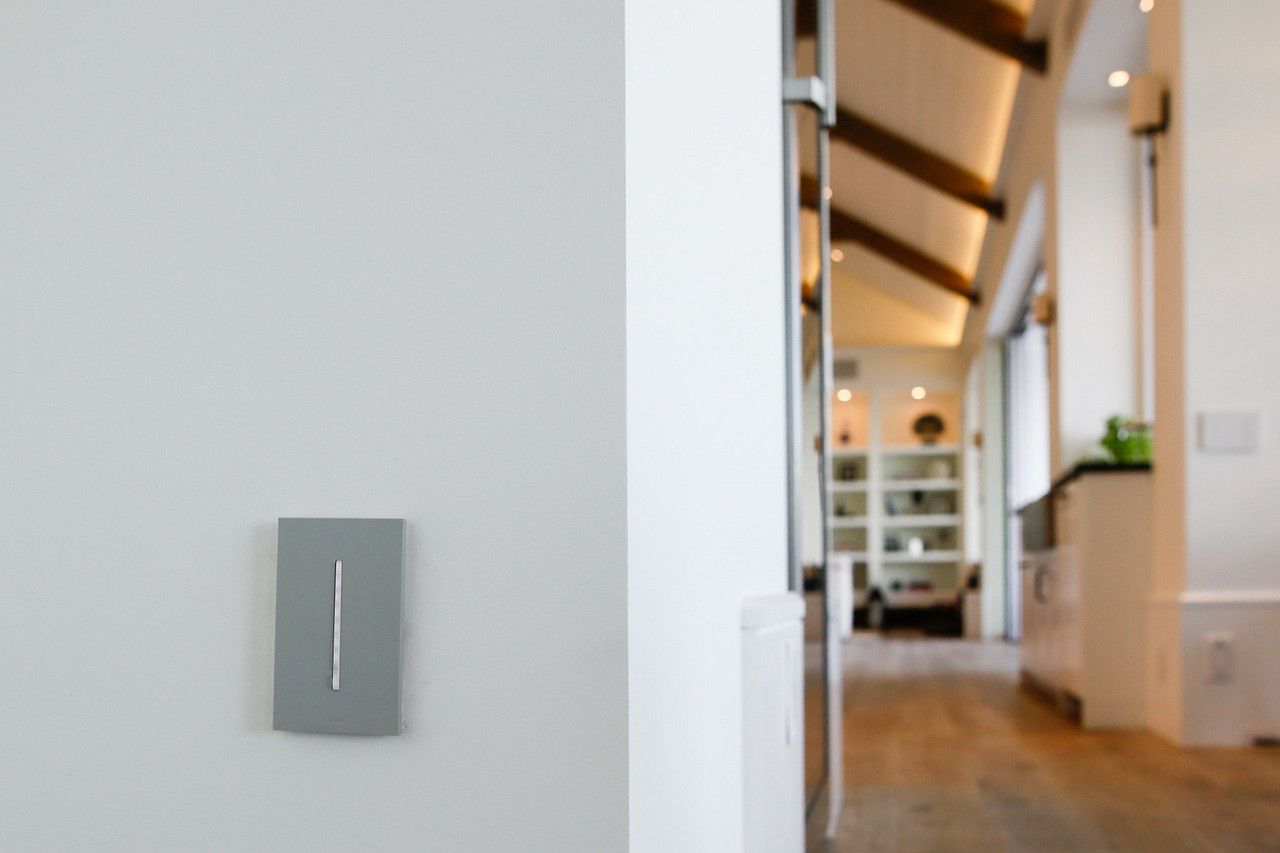
Lighting control. Automated scenes, dimming, occupancy-based on/off, and integration with voice assistants or a central app. This includes everything from Lutron Caseta systems to full Lutron RadioRA 3 or Savant environments.
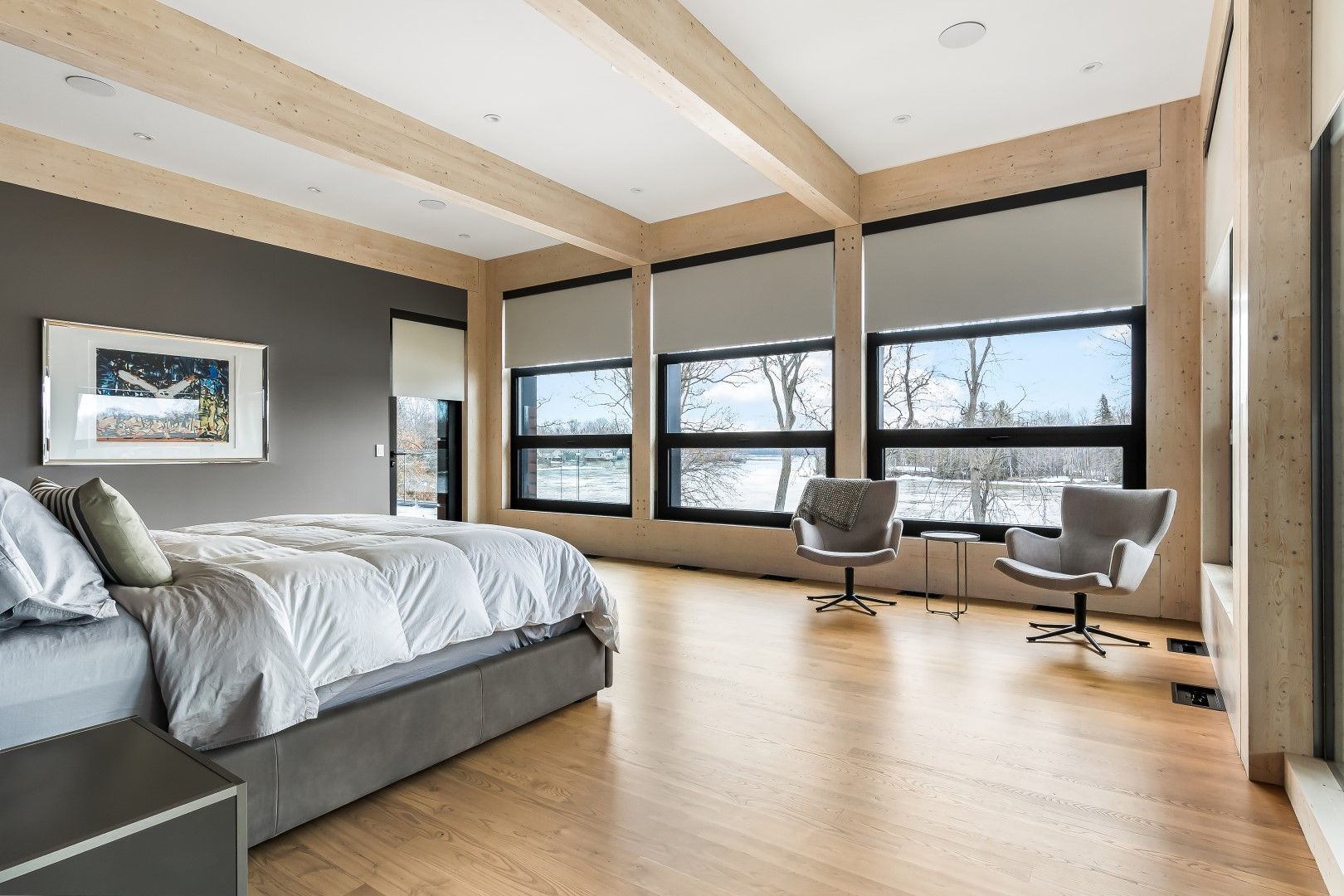
Motorized shading. Blinds and drapery that respond to time of day, sunlight levels, or a single button press. Often paired with lighting for complete scene control.
Climate and HVAC integration. Smart thermostats (Ecobee, Nest, or integrated control systems) that work with your existing HVAC or new installation and can be controlled remotely or scheduled automatically.
Security and access. Smart locks, video doorbells, exterior cameras, and alarm integration. These systems are most effective when they communicate with each other and with your lighting.
Whole-home audio and AV control. Distributed audio systems, automated AV inputs, and scene-based entertainment integration.
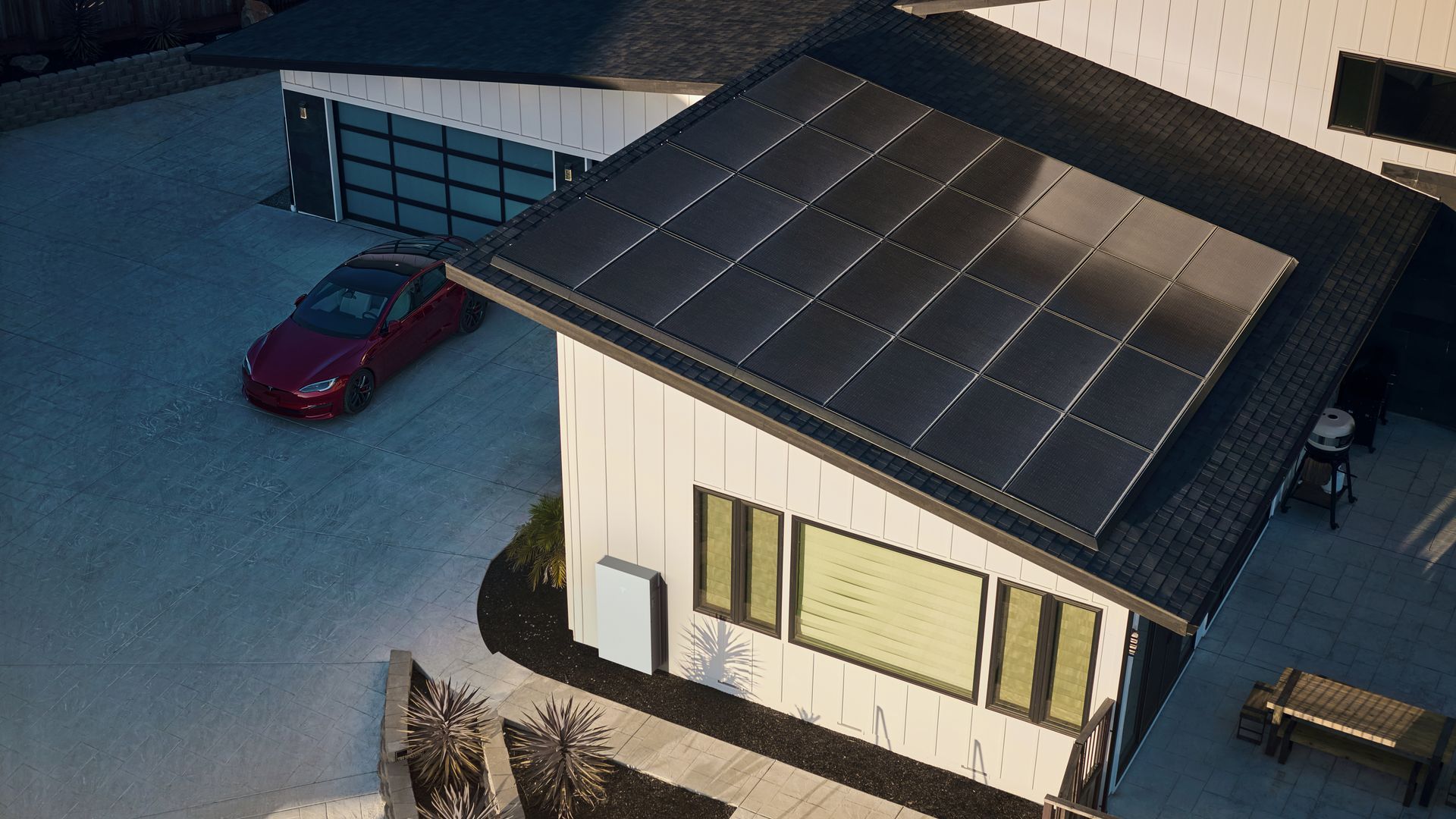
EV charging integration. If you have or plan to add an EV charger, smart scheduling can reduce energy costs by charging during off-peak hours automatically.
The key distinction between a smart home and a collection of smart devices is integration — whether all of these systems work together through a unified interface, or whether you're managing eight separate apps.
Why Smart Home Installation Requires a Licensed Electrician
Here's what the YouTube tutorials don't tell you: most meaningful smart home upgrades touch your electrical panel, your wiring, or both.
Swapping a standard switch for a smart dimmer sounds simple. But smart dimmers require a neutral wire and many older Hamilton homes, particularly in mature neighbourhoods like Westdale, Dundas, and Ancaster, were wired without one. That means rewiring is involved. In Ontario, electrical work of this nature must be performed by a licensed electrician and permitted through the Electrical Safety Authority (ESA).
The same applies to:
- Installing dedicated circuits for smart home hubs or AV equipment
- Running structured wiring for whole-home audio or security systems
- Adding outdoor outlets or landscape lighting tied to automation
- Integrating EV chargers into a smart scheduling system
- Any work inside your electrical panel
A smart home installed without proper permitting isn't just a code issue,it can affect your home insurance coverage and create problems when you sell.
Beyond compliance, a licensed electrician understands how to build systems that are clean, reliable, and future-ready. The difference between a professionally integrated smart home and a DIY patchwork is usually obvious within six months of living in it.
What to Expect from a Smart Home Installation in Hamilton
Every project is different, but the process typically follows the same arc.
1. Consultation and system design.
We start by understanding how you use your home — your routines, your priorities, what frustrates you about your current setup. From there, we recommend a system architecture: which platforms, which devices, and how they'll work together. We're platform-agnostic, which means we recommend based on your needs rather than brand loyalty.
2. Electrical rough-in.
Before smart devices go in, the wiring needs to support them. This may include running new circuits, adding neutral wires to switch locations, installing conduit for AV or structured wiring, or upgrading your panel. All work is ESA-permitted.
3. Device installation and programming.
Switches, keypads, motorized shades, thermostats, locks, cameras, and any other components are installed and configured. Scenes and automations are programmed based on your preferences — morning routines, away modes, entertaining scenes, sleep schedules.
4. Walkthrough and handoff.
We walk through every system with you until you're comfortable. Most clients get up to speed quickly because the whole point of a well-designed smart home is that it's intuitive to use.
5. Ongoing support.
Technology evolves. We offer ongoing support for adjustments, expansions, and troubleshooting — so your system grows with you rather than becoming obsolete.
How Much Does Smart Home Installation Cost in Hamilton?
Pricing varies significantly based on the scope of work, the platforms selected, and the existing condition of your home's wiring.
As a general guide:
- Entry-level smart lighting (one floor, basic scenes): $1,500 – $3,500, including devices and installation
- Whole-home lighting and shade control: $8,000 – $25,000+, depending on home size and system complexity
- Full integration (lighting, climate, security, AV, access): $20,000 – $60,000+ for larger properties
- Electrical rough-in and panel work: Varies based on scope — always quoted separately after assessment
These ranges are wide because smart home installation is highly custom. A 1,200 sq ft Westdale home and a 6,000 sq ft property in Ancaster require completely different approaches.
What we'd encourage you to avoid is anchoring to a low-cost estimate without understanding what it includes. Budget installations often mean budget integration and the frustration of a system that doesn't quite work is more expensive than the money saved upfront.
Ontario Incentives and Smart Home Upgrades
While there are no provincial incentives specifically for smart home installation, several related upgrades may qualify for rebates:
- Smart thermostats may qualify under Enbridge or Union Gas rebate programs
- Energy-efficient upgrades connected to smart control (LED fixtures, motorized shading for passive solar management) can contribute to home energy audits under the Canada Greener Homes program
- EV charger installation — if part of your smart home project — qualifies for the Ontario EV charger incentive of up to $1,000 through programs available in 2025
We can advise on applicable incentives during your consultation.
Why Hamilton Homeowners Choose Mavric Electric
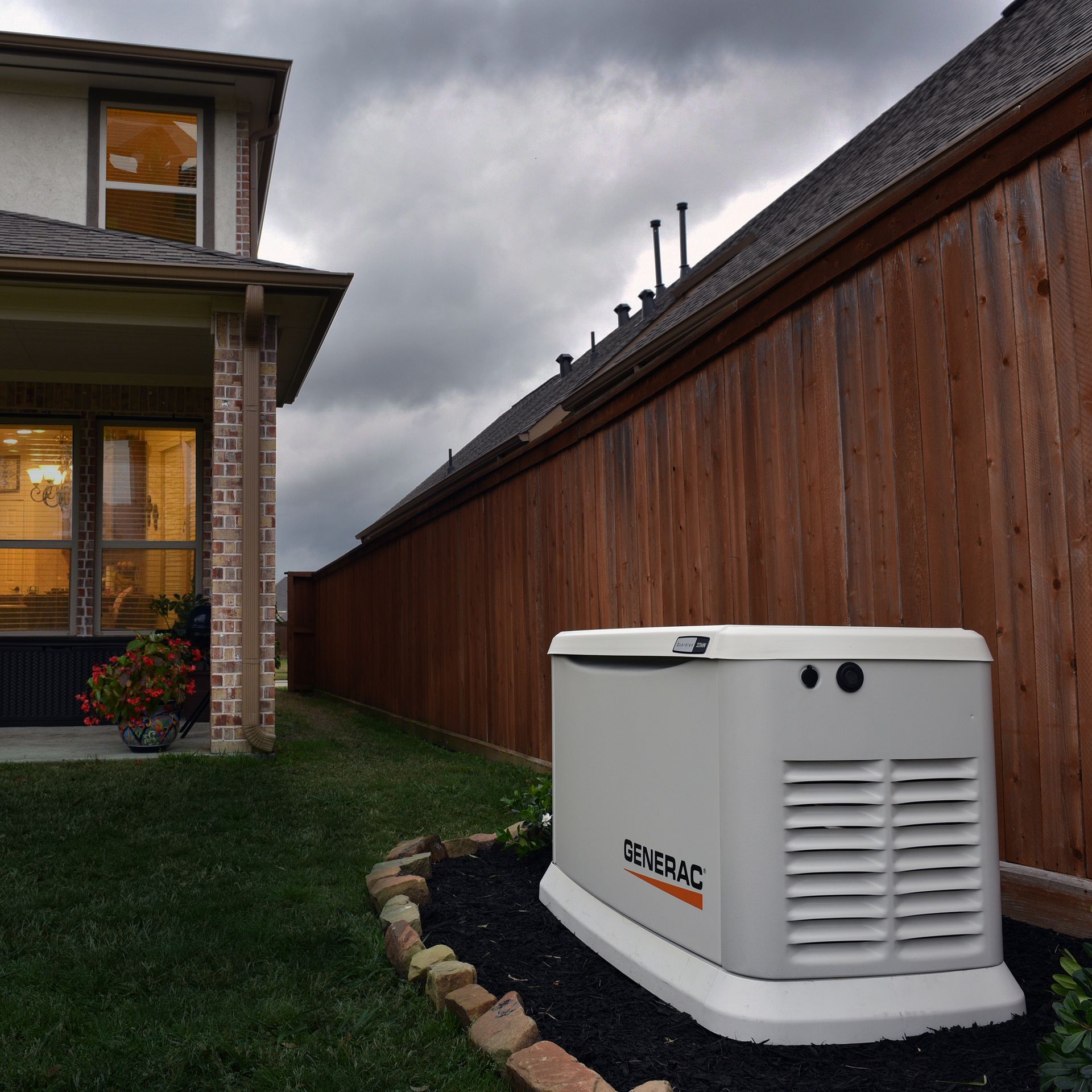
Mavric Electric is a Hamilton-based electrical company specializing in smart home systems, EV charging, lighting controls, generators, and outdoor living systems. We work exclusively in residential environments which means we understand how homes are actually lived in, and we design systems accordingly.
We're licensed through the Electrical Safety Authority, and all work is properly permitted and inspected. We're not a technology reseller, we're electricians who happen to know this technology inside and out.
Our clients are homeowners who want their home to work better for them: easier to manage, more comfortable, more efficient, and built to last.
Ready to Talk Smart Home?
Whether you're starting with a single room or planning a whole-home integration, we'd love to hear about your project.
Contact Mavric Electric to book a consultation — we serve Hamilton, Ancaster, Dundas, Waterdown, and the surrounding area.